The advice to "switch to millets" or "eat brown rice instead" is easy to give and hard to follow. White rice has been the centre of most Indian meals for generations. Its taste, texture, and cooking behaviour are deeply familiar. Brown rice tastes different. Millets cook differently. Asking someone to replace their staple grain overnight is asking them to change something fundamental about their daily eating - and unsurprisingly, most people who try this cold-turkey approach give up within weeks.
The research-backed approach is different: gradual substitution over months, not sudden replacement. The goal is not to eliminate white rice. It is to introduce better alternatives slowly, find the ones you actually enjoy, and let your palate and habits adjust naturally.
Why Millets and Brown Rice Matter
The glucose difference between white rice and its alternatives is real and significant:
- White rice (polished): GI 73-78. Peak glucose 175-190 mg/dL (1 cup alone).
- Brown rice: GI 58-70. Peak glucose 150-165 mg/dL. About 15% lower spike.
- Foxtail millet (navane/thinai): GI approximately 50. Peak glucose 130-150 mg/dL. About 25-30% lower than white rice.
- Barnyard millet (sanwa/udalu): GI approximately 50. Similar profile to foxtail millet.
- Ragi (finger millet): GI 55-65. Rich in calcium and iron. Works well in dosa and roti.
- Jowar (sorghum): GI 55-62. Familiar taste, good for roti and upma.
- Bajra (pearl millet): GI 55-60. Slightly nutty flavour, good in roti.
These are not marginal differences. A 25 to 30% reduction in post-meal glucose from switching your grain type - combined with proper dal pairing and meal sequencing - can be the difference between readings in the prediabetic range and readings in the normal range.
The Mixing Approach: Your Transition Tool
The single most practical piece of advice for grain transition is this: do not replace, blend.
Start by cooking 50% white rice and 50% foxtail millet together. The millet grains are small and cook at a similar rate to rice. The resulting mix looks and tastes close enough to plain rice that most people barely notice the difference, especially when eaten with sambar or dal curry.
This 50/50 mix gives you roughly half the glucose benefit of a full switch - a meaningful improvement with minimal disruption to your meals.
Over time, you can shift the ratio: 60/40 millet to rice, then 70/30, then eventually all millet if your family accepts it. But even staying at 50/50 permanently is a solid outcome. Do not let perfect be the enemy of good.
A 6-Month Transition Timeline
This timeline is adapted from the Indian Diet Adaptation Guide developed from ICMR and Madras Diabetes Research Foundation research. It is designed for a realistic, sustainable pace.
Month 1: Learn Your Baseline
Before changing anything, understand your current glucose response to your usual meals.
- What to do: Eat normally. Use the Prick app to log your meals and test your glucose before and after your usual rice-based lunch and dinner.
- What you learn: Your personal glucose peak from white rice, your typical fasting levels, and which meals cause the biggest spikes.
- One small change: Increase your dal or sambar portion at lunch. This alone can lower your post-meal peak by 15-20 mg/dL.
Month 2: First Substitution
Make one targeted grain change and measure the difference.
- What to do: Switch to a 50/50 white rice and foxtail millet mix for lunch (your biggest rice meal). Keep dinner the same for now.
- Test it: Log the mixed-grain meal three times and compare the glucose peaks to your Month 1 baseline.
- Expected result: Post-meal glucose drops by 15-30 mg/dL compared to pure white rice.
- Alternative: If millet is hard to find or your family resists it, try brown rice instead. Or try white basmati, which has a GI of 60-69 - lower than standard white rice.
Month 3: Add Meal Structure
Combine the grain switch with meal sequencing.
- What to do: Eat vegetables and dal before rice/millet at lunch and dinner. Add a 15 to 20 minute post-meal walk.
- What changes: The combination of better grain + food order + walking creates a cumulative effect.
- Expected result: Overall glucose control improves noticeably. Fasting glucose may start trending downward.
Month 4-6: Experiment and Refine
Now you have the foundation. Use this phase to personalise.
- Try different millets: Ragi dosa for breakfast. Jowar roti for dinner. Barnyard millet upma for a change. Each has a slightly different taste and texture - find the ones your family prefers.
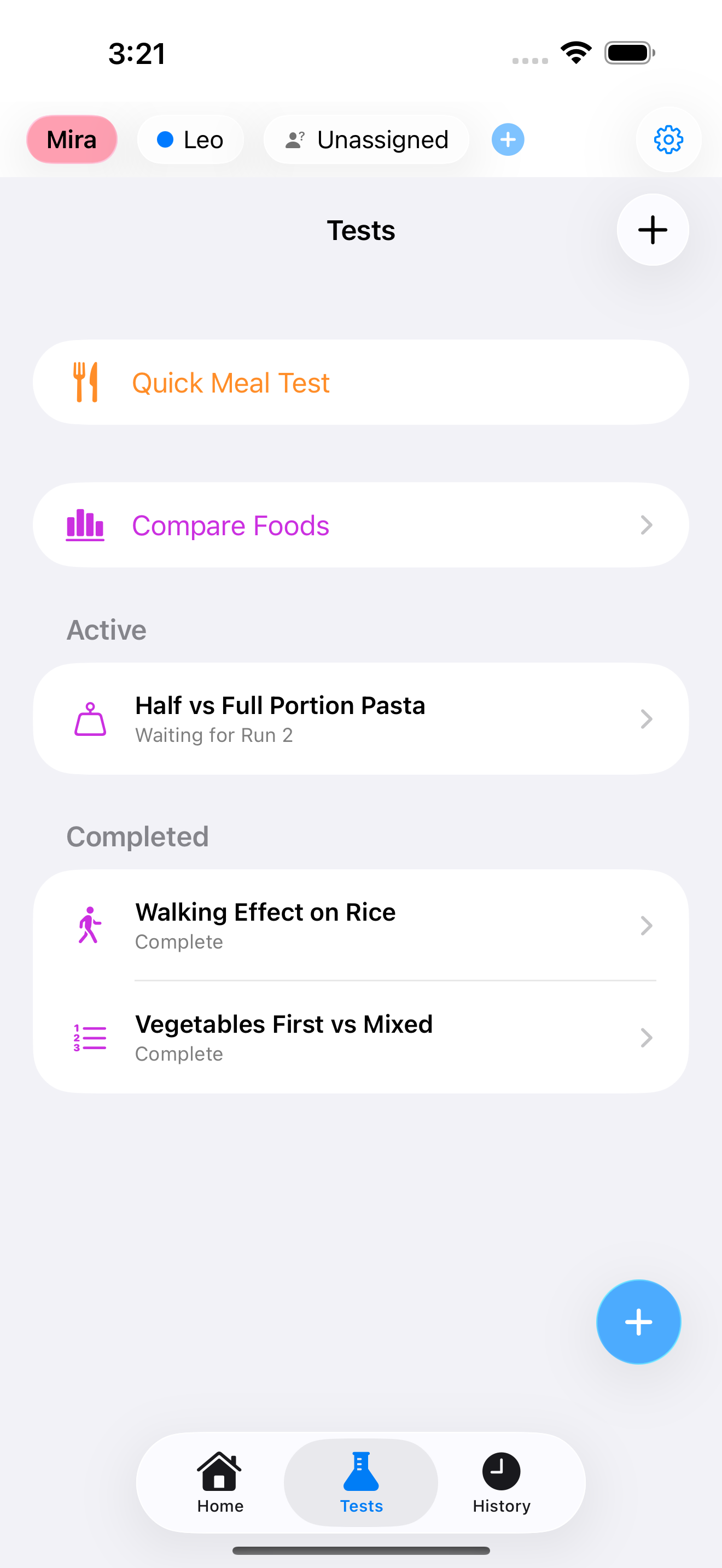
- Test specific swaps: Use Prick's experiment feature to compare: standard rice dosa vs ragi dosa. White rice dinner vs foxtail millet dinner. The data tells you which changes produce the biggest benefit for your body.
- Optimise portions: Find the exact amount of rice/millet that keeps you below 140 mg/dL post-meal. For some people it is one cup; for others, three-quarters of a cup.
Month 6 and Beyond: Maintenance
By this point, your new habits should feel normal rather than forced.
- Consolidate: The grain switches and meal ordering that produced the best results become your default routine.
- Explore further: Test the effect of sleep on your fasting glucose. Try different exercise timings. The grain foundation is set; now you can fine-tune other variables.
- Realistic goal: A 0.3 to 0.5% improvement in HbA1c is achievable through dietary changes alone over this timeframe.
Cooking Tips for Millets
Millets are not difficult to cook, but they behave slightly differently from rice:
- Foxtail millet: Rinse well. Use a 1:2 ratio of millet to water. Cook for 12-15 minutes. It fluffs up like rice but has a slightly nuttier taste.
- Ragi (finger millet): Most commonly used as flour for dosa, roti, or mudde (ragi ball). For dosa, mix ragi flour into your regular dosa batter at a 50/50 ratio.
- Jowar: Works well for roti. Mix with wheat flour if pure jowar roti is too dense. Also good for upma.
- Barnyard millet: Very similar to rice in texture. Almost a direct replacement in any rice dish, including khichdi and pulao.
Millets are widely available at Indian grocery stores, BigBasket, Amazon, and local organic shops. They are comparable in price to rice and store well in airtight containers.
What the Research Says About Long-Term Results
The evidence from Indian diet intervention studies shows that consistent dietary changes over 3 to 6 months can produce:
- Fasting glucose reduction of 15 to 30 mg/dL
- Post-meal glucose reduction of 25 to 40 mg/dL
- HbA1c improvement of 0.5 to 1.0%
- A 40 to 60% chance of reverting from prediabetes to normal glucose levels
- A 90%+ chance of preventing progression to type 2 diabetes
These results come from the combination of grain modification, portion adjustment, food ordering, and regular activity - not from any single change in isolation. But the grain switch is often the most impactful single change because rice is such a large part of the total carbohydrate intake in Indian meals.
The Bottom Line
Switching from white rice to millets or brown rice does not need to happen overnight. A 6-month gradual transition, starting with a 50/50 mix and adding one change per month, is both realistic and effective. The key is to test each change with actual glucose data, keep what works, and let your habits shift at a pace your family can sustain.
Your kitchen already has the tools. Dal, sambar, vegetables, and now millets - each one reduces your glucose a little more. Together, they add up to changes that are large enough to alter your metabolic trajectory, and familiar enough to maintain for years.
Based on: ICMR dietary recommendations; Madras Diabetes Research Foundation studies; foxtail millet GI research; Indian Diet Adaptation Guide; Mohan V et al. (2010)
View full citations
- Mohan V, et al. "Effect of Brown Rice, White Rice, and Brown Rice with Legumes on Blood Glucose and Insulin Responses in Overweight Asian Indians." Journal of the American Dietetic Association. 2010;110(10):1474-1479. https://doi.org/10.1016/j.jada.2010.07.001
- Shobana S, et al. "Development of Foxtail Millet Based Dosa and Its Effect on Post-Prandial Glucose Response." Journal of Food Science and Technology. 2017. https://doi.org/10.1007/s13197-017-2689-2
- ICMR Task Force Study on Prevention and Control of Diabetes. "Dietary Practices for Prevention of Type 2 Diabetes in India." Indian Journal of Medical Research. 2009;130:540-546. PMID: 20090101
- Shobana S, et al. "Glycaemic Index of Indian Flat Breads (Rotis) Prepared Using Whole Wheat Flour and 'Atta Mix' - Added Whole Grain Cereals and Pulses." British Journal of Nutrition. 2011;105(1):71-77. https://doi.org/10.1017/S0007114510003089
- Sathyasurya DR, et al. "Glycaemic Index of Some Commonly Consumed Indian Foods." International Journal of Food Sciences and Nutrition. 2009. PMID: 19234937
- Lal MK, et al. "Resistant Starch in Rice: Implications for Human Nutrition." Comprehensive Reviews in Food Science and Food Safety. 2021. https://doi.org/10.1111/1541-4337.12704
